
There’s something almost spiritual about descending into the blue on a single breath. No bubbles, no tank weighing you down — just you, the ocean, and the sound of your own heartbeat slowing down.
Koh Tao isn’t just Thailand’s diving mecca. It’s become one of the world’s top destinations for freediving, drawing breath-hold enthusiasts from around the globe to its calm, warm waters.
Why Koh Tao is Perfect for Freediving
The same features that make Koh Tao legendary for scuba make it equally perfect for freediving. Water temperatures hover around 28-30°C year-round — warm enough that you can dive in just a thin wetsuit or even a rashguard. Visibility regularly exceeds 20 meters, and the calm waters of the Gulf of Thailand mean minimal currents and gentle conditions.
But there’s more to it. The island has developed a genuine freediving community over the years. You’ll find dedicated training pools, purpose-built platforms for line diving, and instructors who’ve competed at world-level competitions. The infrastructure exists here in ways it simply doesn’t in most places.
What is Freediving?
If you’re completely new to this, freediving is essentially breath-hold diving. Instead of carrying a tank like scuba divers, freedivers train to hold their breath for extended periods and dive on a single lungful of air.
It might sound extreme, but modern freediving training focuses heavily on relaxation, breath work, and safety. You’ll learn techniques that help your body conserve oxygen and adapt to pressure changes. Most beginners are surprised at how quickly they can progress — many people reach 10-15 meters depth in their first course.
Activities on Koh Tao
Book through KOHME — compare prices & read reviews
Top Freediving Schools on Koh Tao
Several world-class schools operate on the island:
Blue Immersion — One of the original freediving schools on Koh Tao, known for small class sizes and personalized attention.
Apnea Total — A highly-regarded school with instructors who’ve set national records.
Freedive Koh Tao — The first AIDA school on the island, running courses since the early days of recreational freediving here.
New Heaven Dive School — Combines freediving with yoga and mindfulness practices.
Kaizen Freediving — Strong focus on technique refinement and continuous improvement.
Course Options and Costs
Beginner Courses (AIDA 2 or SSI Level 1)
- Duration: 2-3 days
- Cost: ฿8,000-12,000
- What you’ll learn: Breath-hold techniques, safety, basic equalization, diving to 10-20 meters
Intermediate Courses (AIDA 3 or SSI Level 2)
- Duration: 2-3 days
- Cost: ฿10,000-15,000
- Target depth: 24-30 meters
What to Expect from Your First Course
Day one is almost entirely on land. You’ll learn about the physiology of breath-holding, safety protocols, and practice breathing techniques. Most schools include pool sessions where you practice static breath-holds and dynamic swims.
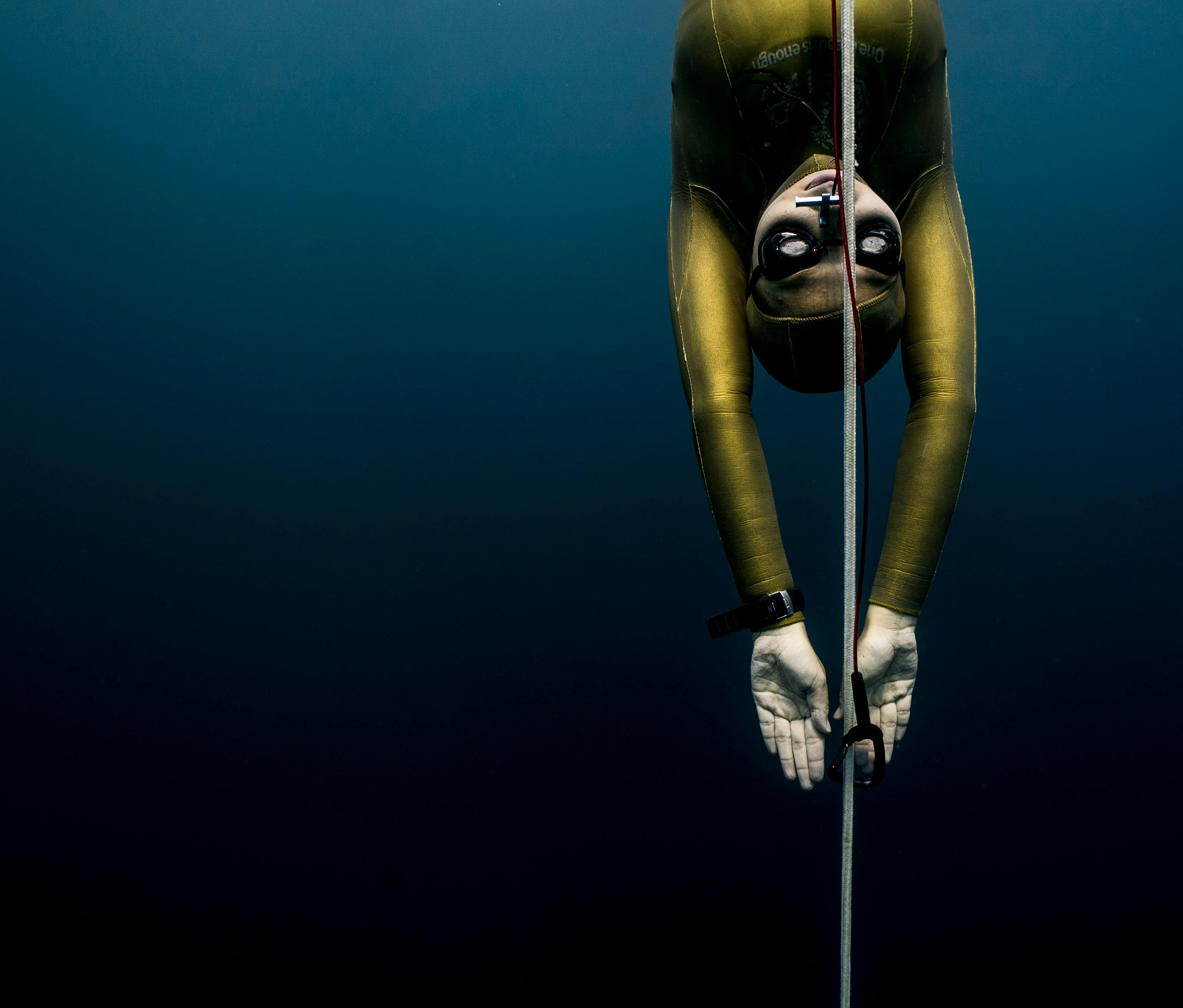
Open water training usually starts on day two. You’ll be introduced to line diving — descending along a rope to specific depths with an instructor right beside you.
By the end of a typical beginner course, most students can:
- Hold their breath for 2-3 minutes (static)
- Dive to 10-20 meters comfortably
- Perform buddy safety procedures
- Understand equalization techniques
Best Time for Freediving on Koh Tao
March to September — Best overall conditions. Calm seas, excellent visibility, warmest water temperatures.
October to December — Occasional storms and reduced visibility. Still diveable, but conditions less consistent.
January to February — Good conditions returning.
Activities on Koh Tao
Book through KOHME — compare prices & read reviews
Practical Tips
Preparation: Avoid alcohol and heavy meals the day before diving. Get good sleep.
What to bring: Swimwear, sunscreen, water bottle. Schools provide all freediving equipment.
Physical requirements: Basic swimming ability is essential. No scuba certification needed.
Frequently Asked Questions
How deep can beginners go on Koh Tao?
Most beginners reach 10-15 meters comfortably by the end of a 2-day course. Some naturals hit 20 meters.
Is freediving dangerous?
With proper training and buddy protocols, recreational freediving is very safe. The risks come from diving alone or pushing too hard too fast.
Do I need to be super fit?
Not really. Flexibility matters more than cardiovascular fitness. Calm, relaxed divers outperform athletes who can’t relax.
What’s the difference between AIDA and SSI?
Both are internationally recognized. AIDA is freediving-specific and more common. Quality of instruction matters more than which agency. Ready to go? book in the KOHME app to browse, compare, and book everything in one place.
Ready to Take the Plunge?
Freediving on Koh Tao is one of those experiences that stays with you. Download KOHME and book your Koh Tao adventure: Hungry after exploring? Try order food delivery on Koh Tao for a fuss-free meal back at your place.